History of Loviisan Kappeli

Kappeli and Loviisa’s spa era

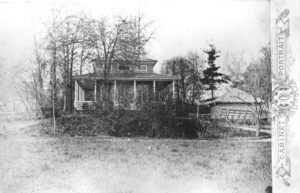
Built to its full splendour during the reign of Alexander III, Kappeli served guests of the Loviisa Spa. Its open veranda offered a place to relax over punch and mineral waters, while visitors strolled through the beautiful park.

The park and its fountains are remnants of the planned Loviisa fortress, intended to form Finland’s easternmost defences after Hamina was ceded to Russia in the Treaty of Turku. Earthworks remain in the park, and the present pond was part of the moat. Other surviving parts of the fortifications include the Ungern and Rosen bastions, the Svartholma sea fortress, the barracks and the Commandant’s House next to Kappeli, which now houses the Loviisa Museum.

Like the town itself, Kappeli enjoyed its heyday in the late 19th and early 20th centuries. Visitors from Germany and Russia, among other countries, came to the Loviisa Spa and stayed in local homes. They enjoyed spa treatments during the day and dined, drank and celebrated at Kappeli in the evenings. The name Kappeli is thought to derive from the Swedish word kapellet, meaning a band or musical ensemble.

Later chapters in Kappeli’s history

In 1946, Kappeli was renovated and its open veranda was enclosed to create more indoor space. From the 1960s onwards, it became a centre of entertainment in eastern Uusimaa, hosting performances by many well-known Finnish artists. It was also the setting for countless love stories, graduation parties, May Day festivities and Mother’s Day celebrations. As the 2000s approached, business declined. Changes of ownership were accompanied by poor upkeep, and by 2005 operations at Kappeli had ceased altogether.

Restoring Kappeli

Master restoration painter Airi Kallio had seen the poor condition of the protected, historically and culturally valuable building, and could not put it out of her mind. Eventually, she decided to buy the building and restore its 19th-century splendour. The purchase from the private owner was completed at the end of August 2008, marking the start of an extensive restoration project. The first step was to remove the layers that had accumulated on the floors and walls over the decades, including numerous layers of wallpaper and floor coverings. In total, 80 skips of waste were removed from Kappeli.

The final stage of dismantling was to remove the walls and ceiling that had enclosed what is now the open veranda. Once these later additions had been removed, the condition of the original timberwork could be assessed. To everyone’s relief, the handsome decorative relief on the façade had been left intact. The veranda columns, however, had been reused as floor joists, among other things, and all had to be replaced. The windows and their decorative trim also needed replacing. Water runoff had rotted much of the lower exterior trim and some of the wall boarding. Doors added to the façade had to be removed and the openings closed, and the opening made in the hall wall in 1946 had to be filled in.

Once the building’s exterior was complete, water and sewer pipes had to be laid through the park, and the electrical and heating systems were completely renewed. Furnishing the building came next. Over the years, the original furnishings had become scattered around the region. The Loviisanseudun Aktiasäätiö Foundation returned one of Kappeli’s three original large crystal chandeliers to its former place. The whereabouts of the other two are unknown. People have also donated a small number of other original items for display.

Kappeli reopens

The project was completed and the restaurant reopened in May 2013. Since then, Kappeli has welcomed guests once again in its restored 19th-century splendour. Come and admire the restoration and enjoy the house specialities!

Discover Loviisan Kappeli and plan your visit